Operating Systems
5 min read
Design the Operating Model for Change

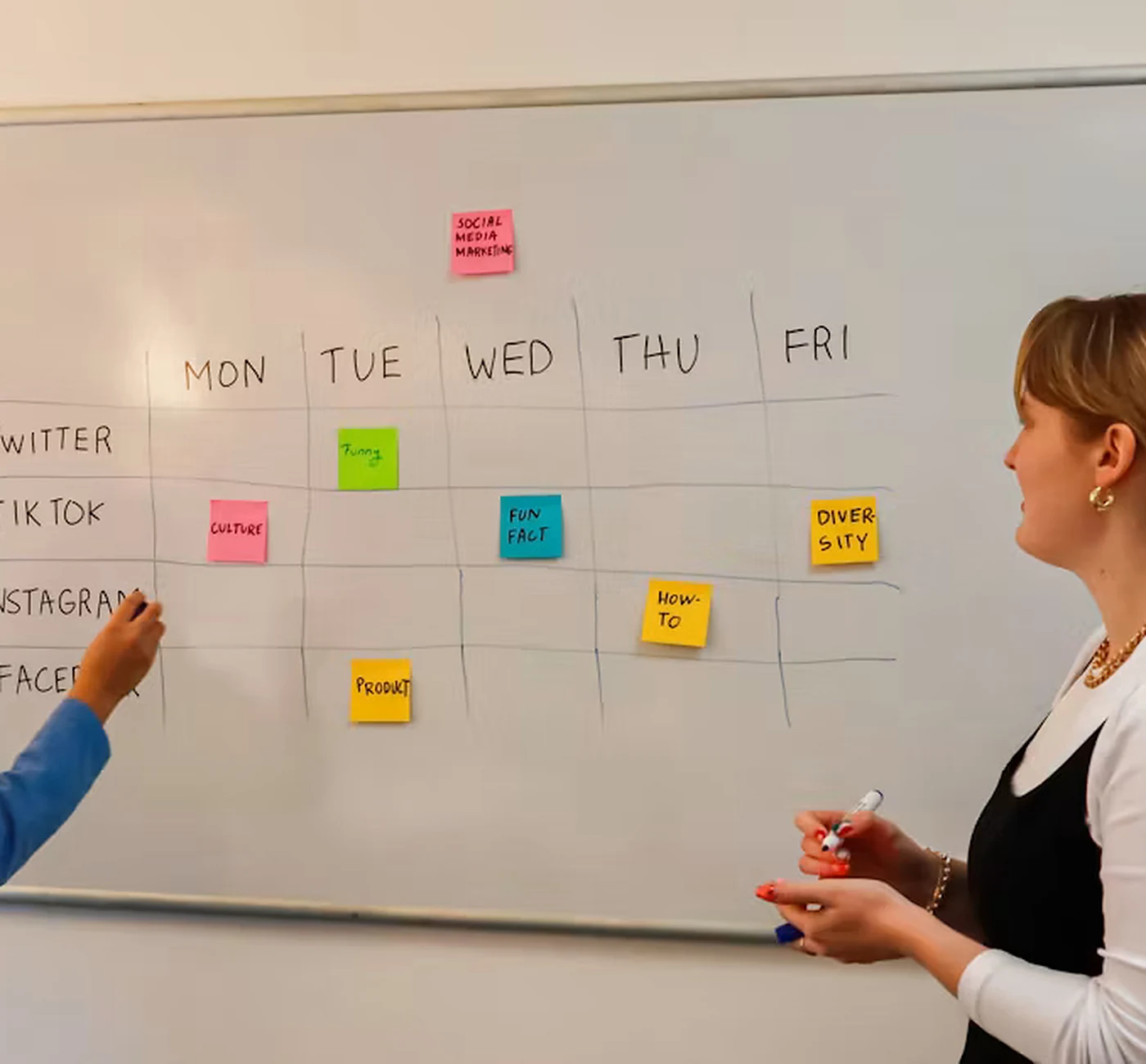
Photo by Dua'a Al-Amad on Pexels
Too many operating models are designed around today’s requirements.
Today’s team structure.
Today’s technology.
Today’s product mix.
Today’s volume.
Today’s leadership.
The model may work well while those conditions remain stable. But organizations rarely remain stable for long.
Teams reorganize. Systems are replaced. New markets and products are introduced. Experienced people leave. The volume and complexity of work increase.
When that happens, an operating model designed too closely around the present begins creating friction.
The problem is not always that it was badly designed.
It may simply have been designed without expecting change.
Change exposes hidden dependencies
A process can appear reliable while depending heavily on the environment around it.
A handoff works because two managers speak every morning.
A report remains trustworthy because someone manually corrects the data before leadership sees it.
A workflow succeeds because an experienced employee knows how to interpret incomplete information.
An approval process works because everyone knows who to contact, even though the authority was never formally defined.
The organization continues functioning, so these dependencies remain largely invisible.
Then the structure changes.
The manager moves to another role. The employee leaves. The company adopts a different platform. The volume becomes too large for manual correction.
The change appears to have created the problem.
Often, it only revealed a weakness that was already present.
Stable principles, adaptable mechanisms
Designing for change does not mean avoiding structure.
An organization cannot adapt effectively if nobody knows what must remain consistent.
Some elements of the operating model should be stable:
how ownership is assigned
which definitions are shared
what context must move between teams
who has decision authority
how exceptions are governed
which outcomes matter
The mechanisms supporting them can change.
A routing platform may be replaced, but the principles determining ownership should remain understood.
A CRM workflow may change, but the information required for a customer handoff should remain clear.
A reporting system may evolve, but leaders should still understand what each metric represents and which decision it supports.
Resilient operating models separate enduring business logic from temporary implementation choices.
That allows the organization to change the mechanism without losing the meaning behind it.
Preserve the decision, not only the workflow
Processes are often documented as a sequence of activities.
Complete this field.
Change this stage.
Send this notification.
Request this approval.
Those steps explain what happens, but not necessarily why.
When the workflow changes, the reasoning behind it can disappear.
A stronger operating model makes five things explicit:
Outcome - What outcome are we trying to create?
Decision - Which decision moves the work toward that outcome?
Operating rules - What ownership, criteria and context guide that decision?
Governance - Who can approve exceptions, change the rules or resolve disagreement?
Mechanism - Which workflow or technology currently supports it?
The fifth layer should be the easiest to change.
The platform may be replaced.
The workflow may be simplified.
The team structure may be reorganized.
The organization should not have to rediscover the purpose of the process every time its implementation changes.
Flexibility is not the same as inconsistency
Organizations sometimes respond to change by allowing every team to operate differently.
This creates local flexibility, but it can weaken the wider system.
Definitions drift.
Handoffs vary.
Exceptions become informal.
Reporting becomes harder to trust.
The alternative is not forcing every team into an identical process.
It is deciding where variation is acceptable.
Different customer segments may require different sales activities while using the same definition of a qualified opportunity.
Regional teams may follow different approval paths while preserving the same decision authority.
Different systems may capture information while maintaining a shared understanding of which source is authoritative.
A resilient operating model creates enough consistency for the organization to remain connected and enough flexibility for teams to respond to their circumstances.
Design exceptions before they become workarounds
No standard process will cover every situation.
Customers differ. Markets evolve. Unusual cases require judgment.
When exceptions have no defined path, teams create workarounds.
A required field is bypassed.
An approval happens through a private message.
A spreadsheet is introduced outside the system.
A handoff occurs without the usual context.
The workaround may be sensible in the moment.
The risk appears when it becomes a permanent part of the process without being recognized or governed.
Organizations designed for change do not try to eliminate every exception.
They establish how exceptions should be handled:
who can approve them
what reasoning should be recorded
which teams must be informed
whether the exception is temporary
when repeated exceptions should change the standard process
This allows adaptation without allowing every unusual case to create another disconnected version of the operating model.
Revenue Operations should protect continuity
Revenue Operations often sits where organizational change becomes operational change.
A new product affects pricing and reporting.
A new sales motion affects stages and forecasting.
A reorganization affects routing, permissions and ownership.
A technology change affects workflows, data and handoffs.
Its role should not only be to make the current model function.
It should help the organization retain clarity while that model evolves.
That means separating business rules from system configuration.
It means defining ownership through roles and decisions rather than individual people.
It means documenting the context behind important processes, not only the steps inside them.
And it means asking a simple question whenever something new is designed:
Will this still make sense when the organization around it changes?
The strongest operating model is not one that never changes.
It is one that can change without losing its logic.
Today’s teams, tools and processes will not remain permanent.
The organization’s understanding of how work, decisions and accountability fit together should.